When creator marketing needs to be redesigned
- The brief asks for a number of creators but does not define the audience behaviour each one should change.
- Follower count and price drive selection while content fit, brand safety and rights remain unclear.
- Sponsored posts generate views but there is no path to search, store, lead, trial or repeat engagement.
- Organic content and paid amplification are planned separately.
- Reports cannot reconcile contracted deliverables, published links, media spend and business response.
The cost of treating creators as inventory
Large lists create the appearance of choice while hiding duplicated audiences, inconsistent quality, unsafe context and weak content roles. Forced scripts damage credibility; usage rights are discovered after publication; and the client cannot tell whether to scale, change or stop. The problem is not too few creators—it is an undefined job.
The critical decisions
- Which audience and step in the decision journey should change?
- What role should creators play: discovery, explanation, demonstration, trust, search demand, conversion support or community?
- Which creator signals demonstrate fit beyond follower count?
- What can be co-created, what must be controlled and what rights are needed afterward?
- Which content and business evidence will support the next investment decision?
What the client buys
A map of creator roles in the growth journey
Creators are grouped by the job they perform and the audience or moment they influence.
A co-creation system that protects the brand without destroying authenticity
The brief defines non-negotiable facts, claims and risks while leaving room for the creator’s native voice.
A path from content to the next action
Search, owned accounts, landing pages, shops, sampling, leads or retargeting are connected where appropriate.
Evidence to scale, adjust or stop
Selection, contracts, publication, spend, performance and exceptions are recorded against the agreed objective.
The Meantime Growth Accountability Chain
Insight
Review audience behaviour, platform culture, category conversation, past content, creator landscape, brand-safety risk and data access.
Decide
Set the growth objective, creator roles, tiers, content jobs, platform mix, rights, budget logic and evidence standard.
Design
Create the collaboration concept, creator brief, message boundaries, content formats, amplification route and landing or conversion connection.
Activate
Source, screen, negotiate, contract, brief, approve, publish, amplify, monitor and reconcile delivery through traceable work orders.
Review
Compare creators and content by role and cost, diagnose anomalies, document learning and recommend scale, change or stop.
Typical deliverables
- Audience and creator-role strategy.
- Creator discovery, screening and brand-safety review.
- Tiering, shortlist rationale and commercial record.
- Co-creation brief, claims and approval workflow.
- Contracted deliverables, rights and publication tracking.
- Paid amplification and owned-channel connection where scoped.
- Performance dashboard, anomaly review and recommendations.
Low-risk first engagement | Creator-fit and growth pilot
Start with one audience, one behaviour, one platform hypothesis and a controlled creator cohort. The pilot tests content roles, collaboration workflow and evidence quality before a larger purchase.
Measurement and acceptance
Acceptance includes approved selection rationale, contracted deliverables, publication links, rights records, spend reconciliation and the agreed performance report. Metrics may include valid reach, completion, engagement quality, search lift, traffic, leads, samples or client-supplied sales data. Fraud checks reduce risk but no platform data is treated as perfect or a sales result guaranteed.
Relevant cases and evidence
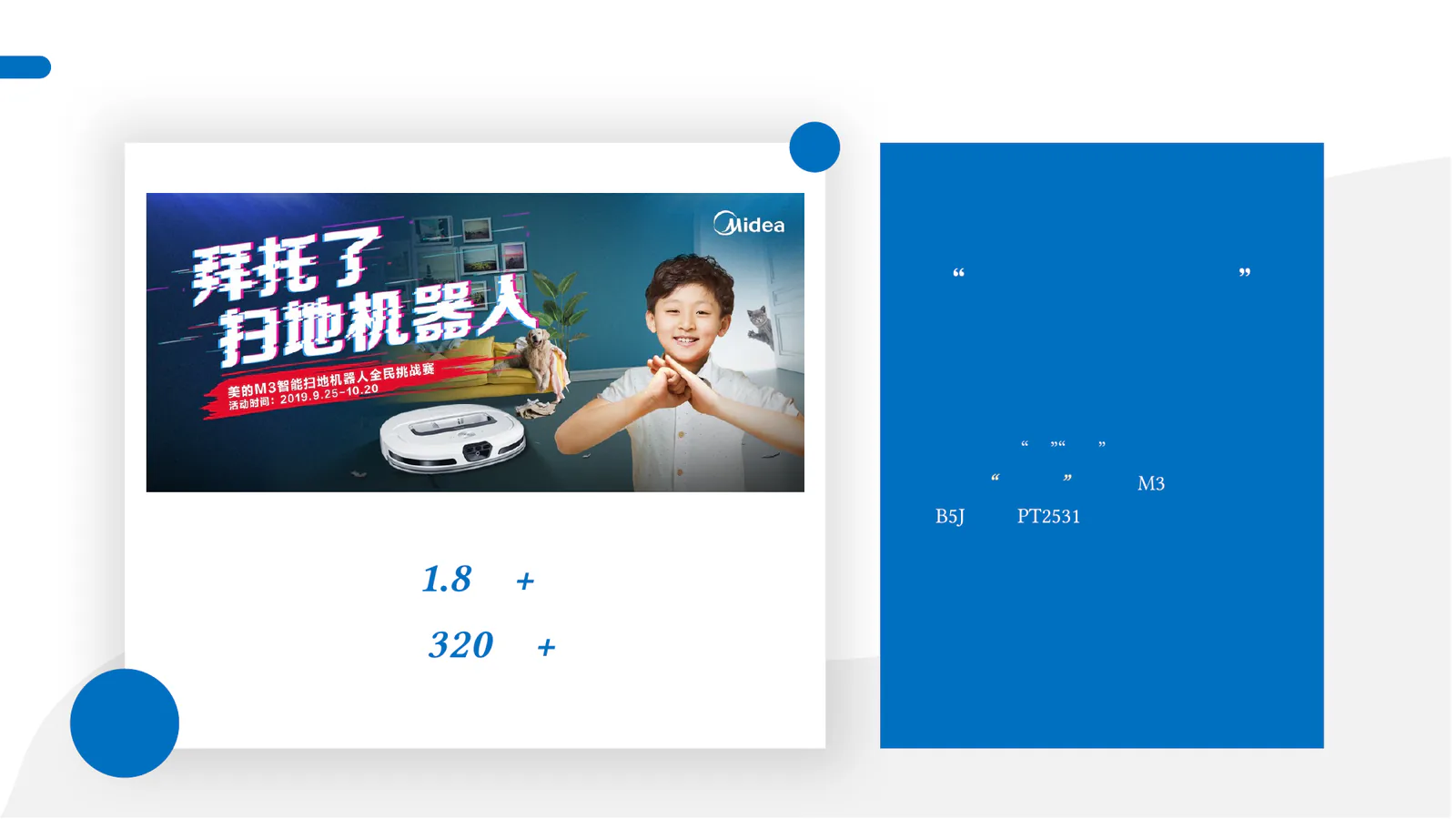
Midea M3 robot vacuum demonstrates translating product features into family content topics. Wuyang Ice Cream x Guan Xiaotong shows an ambassador, content and consumption moment working around one emotional proposition. Each case states the actual role, sources and reported performance boundary.
Who this is for—and who it is not for
A good fit
- Brands with a defined audience or business question but an unclear creator route.
- Teams seeking creator content, paid amplification and delivery evidence as one system.
- Categories requiring careful brand safety, claims and rights management.
- Clients willing to test and compare before scaling.
Not a good fit
- A request for an unqualified bulk list or guaranteed lowest price.
- A demand to guarantee sales, ROI, reach or viral content.
- Hidden or misleading sponsorship practices.
- Reuse of creator content without agreed rights.
Frequently asked questions
Is Yunzimei simply a creator-resource seller?
No. Resources are selected only after the growth task, audience, content role, safety and evidence standard are defined.
How many creators can you provide?
The useful number depends on objective, platform, audience, budget, availability and quality. Live fit is confirmed for the actual project.
How do you address fake followers and abnormal data?
We use available platform, content, audience and delivery signals, document anomalies and avoid presenting any single screening method as certainty.
Can we pay only by sales or ROI?
Commercial models depend on data access, attribution, platform and creator agreement. Outcomes outside the controllable scope cannot be guaranteed.
Can creator content be reused in advertising or on our website?
Only when the contract grants the specific channels, duration, territories, edits and paid usage required.
How is this different from social-media account operations?
Creator marketing focuses on external voices and distribution roles. Account operations builds the brand’s owned publishing and community system; the two can be connected.